

Managing a multifamily community in Florida means more than repairing roofs, leasing units, and mowing lawns. It increasingly means being proactive about safety and risk. That’s especially true since Florida Statute 768.0706, passed in 2023 as part of HB 837.
The law gives owners and operators of multifamily residential property a presumption against liability for criminal acts by third parties on the premises, but only if they have substantially implemented a specific list of security measures.
What the statute requires
Under section 768.0706, the owner or operator must have substantially implemented all of the following:
1. Physical security measures
- A security camera system at points of entry and exit that records, and keeps retrievable for at least 30 days, video to help identify and catch offenders
- Lighted parking lots, from dusk until dawn, meeting the statute’s lighting level
- Lighting in walkways, laundry rooms, common areas, and porches from dusk until dawn
- At least a 1-inch deadbolt on each dwelling unit door
- A locking device on each window, each exterior sliding door, and any other doors not used for community purposes
- Locked gates with key or fob access along pool fence areas
- A peephole or door viewer on each dwelling unit door that doesn’t have a window or a window next to the door
2. A current CPTED assessment
A crime prevention through environmental design (CPTED) assessment of the property, no more than three years old, done by a law enforcement agency or a CPTED practitioner.
3. Employee training
Proper crime deterrence and safety training for the property’s employees, completed within 60 days of hire.
Missing any of these can put the presumption at risk. Two of the items are among the most visible and most often checked: cameras at entry and exit points, and pool gate access.
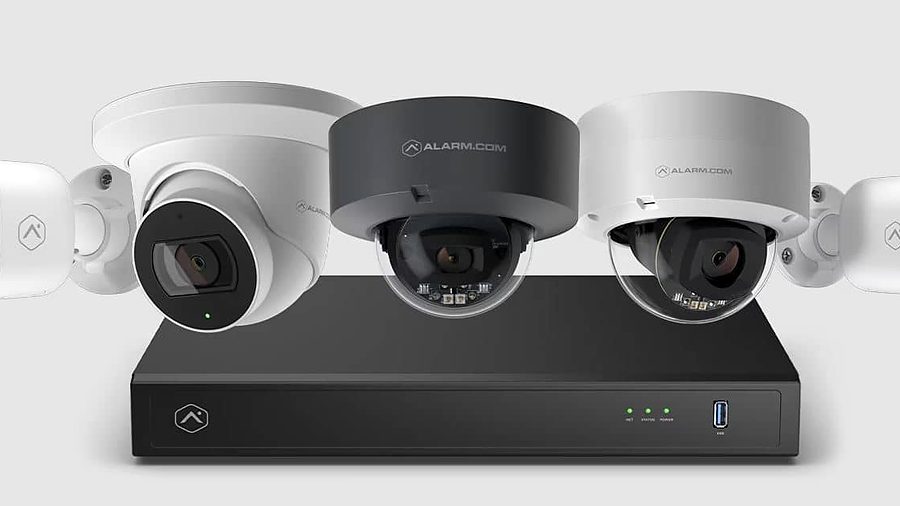
Security cameras at entry and exit points

The camera system has to cover points of entry and exit, and the video must be kept retrievable for at least 30 days. If cameras go offline, retention fails, or footage can’t be produced when needed, the requirement isn’t met.
Locked pool gates with key or fob access

Pool gates along the fence must be locked and opened only with a key or fob. Simple latches, padlocks, or broken access systems won’t meet the standard. Because pools are high-risk areas, this detail matters.
Why compliance matters
- A legal defense: the law presumes you aren’t liable for third-party criminal acts when the requirements are met.
- Lower litigation risk: a stronger position in negligent security claims.
- Insurance conversations: documented security measures can support premium discussions.
- Resident confidence: visibly secure communities attract and keep residents.
How we help you meet the camera and gate requirements
Eagle Eye Networks cloud cameras

- Cover entry and exit points
- Store video in the cloud for 30 days or longer
- Alert you when a camera goes offline
- Make video easy to find and export for audits or incidents
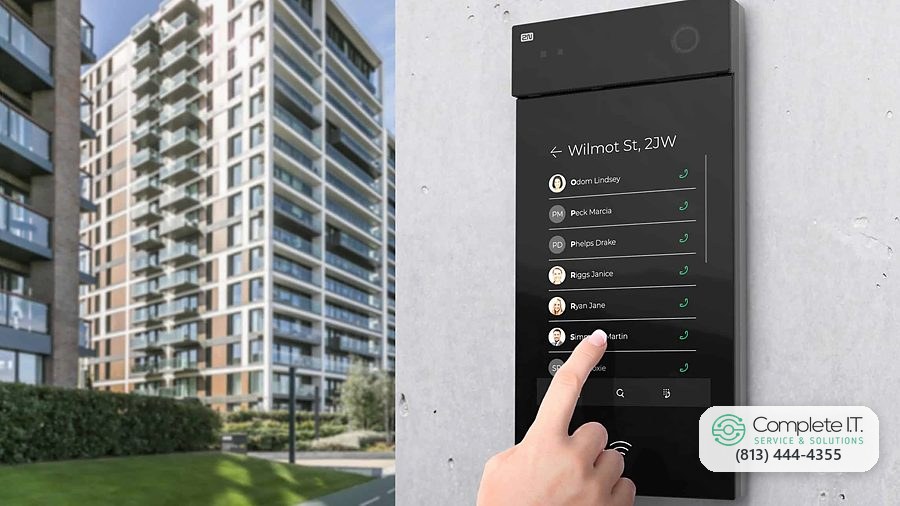
Brivo access control for doors and gates

- Key fob or mobile credential access that logs every entry
- Works with Eagle Eye to match video with access events
- Remote management and status monitoring
Lighting, locks, the CPTED assessment, and employee training are outside what we install, but we’ll coordinate with whoever handles them.
Schedule a free onsite evaluation
Many communities think they’re covered until a gap is exposed. We’ll walk your property, check your cameras and pool gates against section 768.0706, and give you a clear plan at no cost. Request an evaluation or call (813) 444-4355.
This is general information, not legal advice. Talk with your attorney or association counsel about how the law applies to your property.